Project Planning
- Preconstruction budget and schedule review
- Permitting, inspections and owner reviews tracked to closeout
- Specialty trade partners scheduled, coordinated and supervised by our superintendent
- Closeout records, warranties and as-built drawings delivered with the building
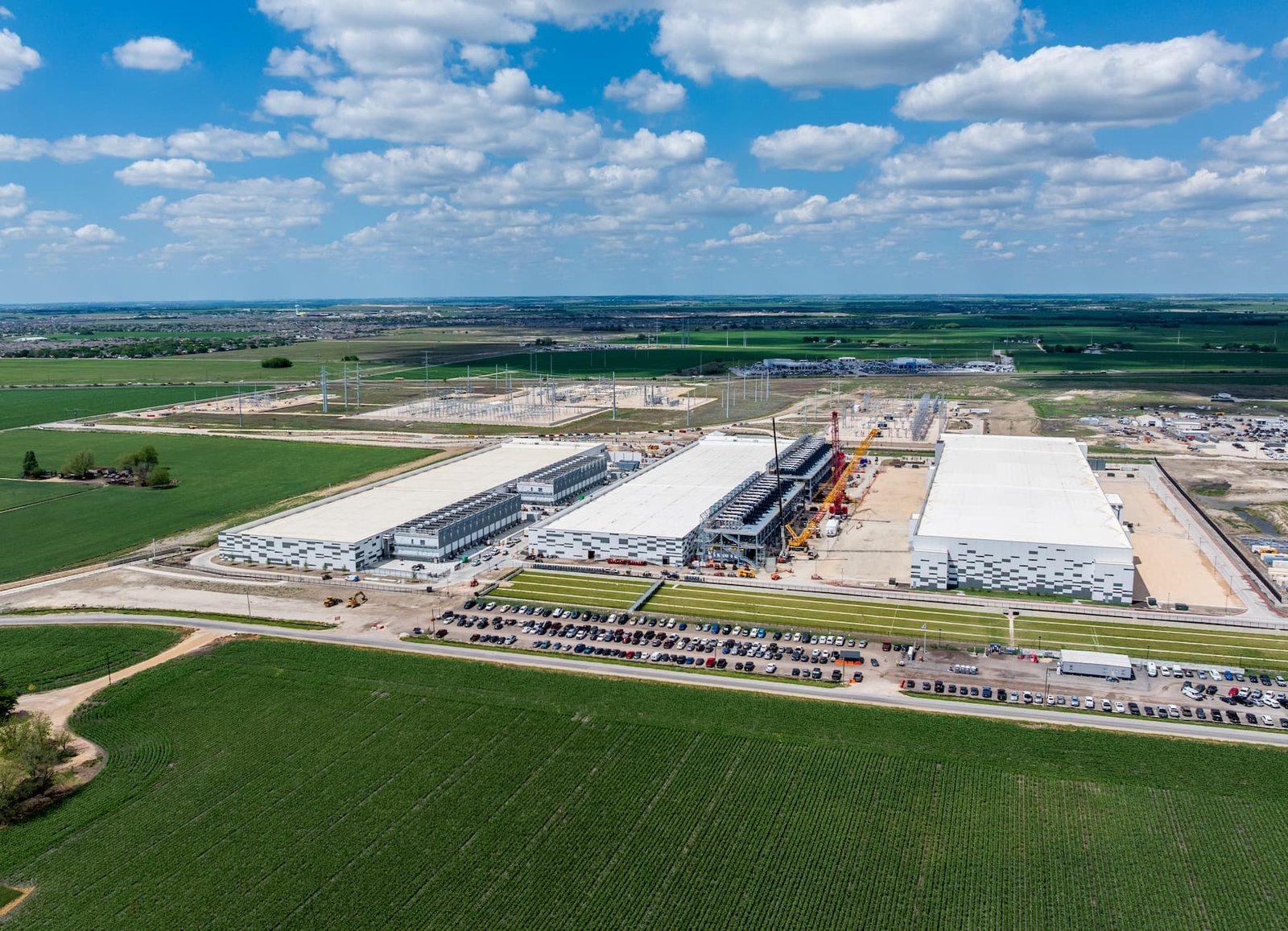
Los Lunas shows what a data center can do to a New Mexico village. Meta announced its campus there in September 2016 and opened it in February 2019, and by July 2025 it covered more than 4 million square feet with seven buildings running and three under development. A July 2025 report said the project employed more than 1,000 construction workers at its peak. A campus of that kind changes a community's roads, its water planning and its labor market, and a builder has to understand all.
Other parts of the state are lining up for similar work. An August 2026 Albuquerque Journal article describes Project Jupiter as a 1,400 acre data center under construction at Santa Teresa, and the planned Paseo del Volcan corridor is intended to open thousands of acres on Rio Rancho's west side for data center, distribution and manufacturing use. These are large projects with long lead times, and the schedule is only as strong as the site.
We approach data center work as a series of linked problems: power arrives, cooling and water follow, the structure is built to carry the equipment, and the commissioning proves that everything works together. We say what we know and what we do not at each step.
Why New Mexico Sites Are Being Considered
Open land, a dry climate, access to transmission and a growing set of tax and incentive programs make New Mexico a candidate for large digital infrastructure. The Rio Grande Industrial Park near Belen is a marketed site of about 365 acres adjacent to the Valencia Power Generation Station, zoned for business manufacturing and heavy industrial use.
For owners, the question is not just whether land is available but whether power and water can be delivered on schedule. We talk to utilities, municipalities and engineers early. We also pay attention to how a campus fits with Los Lunas, Belen and other communities that have the land and the infrastructure to support it.
Site Questions That Come First
A data center site needs more than acres. It needs reliable electrical service, fiber routes, a stormwater plan that handles monsoon bursts and soils that can carry heavy equipment. Caliche and expansive soils appear in different parts of the state, and we plan for them with the geotechnical engineer before the design is fixed.
Water is also an honest question in the high desert. Cooling strategies that use less water cost more in electricity, and a municipality may have views on which is acceptable. We help owners think through the tradeoffs, and we coordinate with engineers who run the numbers.
Phasing the Campus
Large campuses are built in phases because customers and power come online in stages. We plan the site work, utilities and first building so later buildings can follow without tearing up what is finished. Roads, duct banks, stormwater and fencing are laid out for the full campus even if only one hall is built at first.
The long-lead list is longer here than on a warehouse: switchgear, generators, transformers and chillers can take many months. We start procurement with design, in keeping with long-lead procurement, and we keep a standing list of items that control the date.
Codes and Approvals
Data centers fall under the 2021 New Mexico Commercial Building Code, which adopts the 2021 International Building Code as amended, along with the 2020 New Mexico Electrical Code, which adopts the 2020 National Electrical Code as amended. The 2021 Commercial Energy Conservation Code, effective January 30, 2024, affects mechanical and envelope design.
Beyond building permits, a large site may need air permits for generators, water agreements and zoning or annexation approvals. We build a permit calendar and review it with the owner at the first meeting. Our permitting and entitlements work lays out who approves what, and in what order.
What We Control Directly
The site and structure come first, so we schedule and supervise the concrete foundations, slab, and structural steel erection closely where they set the pace. A data hall is a heavy building with demanding tolerances, and these trades need close supervision.
We coordinate the specialized work, including mechanical systems, power distribution, fire protection and controls, through qualified trade partners. We hold weekly meetings with all of them, and our team maintains the integrated schedule that links design, procurement, installation and testing. When a campus involves a pre-engineered metal building for support space or a tilt-wall concrete shell for the data hall, we compare them honestly on schedule and cost.
Services Around the Data Hall
Most data center work includes extensive sitework. Our site development and utilities team extends power, water, sewer and fiber to the building. We also handle the data center construction package itself, from foundation to commissioning, while keeping the owner's technology team informed of each milestone. Where a data hall sits next to office or operations space, we coordinate the transition so security zones, fire separations and cooling boundaries stay clear.
When a campus leads into a manufacturing or logistics function, we can help owners plan shared roads and parking. Our work with manufacturing and industrial owners shows how heavy utilities are coordinated.
Discuss a Data Center Site With Us
If you are looking at land in New Mexico for a data hall or a campus, tell us the power target and the timeline. We will review soils, utilities and the approval path with you and say honestly which pieces of the schedule worry us.
Questions Owners Ask
How long does a data center take to build?
The building shell can move quickly once the site is ready, but power equipment and commissioning often control the date. A first hall is commonly a matter of many months, and a campus takes years. We outline the schedule by phase and tell you which items are most likely to slip.
What soils concern you most?
Expansive clays, collapsible soils and caliche all appear around New Mexico, and each calls for a different foundation approach. A data hall has high floor loads and sensitive equipment, so we want a thorough geotechnical report before design is final.
Who handles the utility interconnection?
The owner or developer typically applies to the utility, and we support the process with load schedules, site plans and construction timing. Delays in interconnection can stop a project, so we raise the question at the first meeting.
Can you build in phases while the first hall operates?
Yes. We separate construction access from the operating hall, schedule shutdowns for tie-ins, and keep dust and vibration controls in place. Later phases are easier when the first one included the right stub-outs and duct banks.
Do you build the white space and the electrical rooms?
We build the shell, the slab, the support rooms and the structure that carries the electrical and mechanical equipment, and we coordinate the specialty trades who install and test the power and cooling systems. The owner's technology team stays involved in the layout of the data hall itself, and we align our work with their rack plan.
How do you handle security and access on site?
We follow the owner's requirements for background checks, badging and controlled entrances. We also keep a log of who is on the site and plan material deliveries for specified windows so the security team can manage them.