Project Planning
- Preconstruction budget and schedule review
- Permitting, inspections and owner reviews tracked to closeout
- Specialty trade partners scheduled, coordinated and supervised by our superintendent
- Closeout records, warranties and as-built drawings delivered with the building
Guests decide whether a hotel feels right within the first minute, and most of what shapes that minute is built long before the front desk is staffed. The sound of a corridor, the way a room holds its temperature in a high-desert summer, the quality of a bathroom finish and the speed of an elevator are all construction decisions. In New Mexico, where a stay may include a resort setting, a mountain village, an airport corridor or a highway town, the building has to meet the expectations of its own place.
We build limited-service and select-service hotels, resort and lodge projects, and renovations of existing properties. Along the way we listen carefully to brand standards, which are detailed and often non-negotiable, and to ownership's own priorities for operating cost, durability and guest experience. Our first job is to reconcile them, so the building a franchise reviewer expects is also the building an owner can afford to run.
Hotels are deadline projects. A property that misses a season loses revenue that cannot be recovered, so we plan from the opening date backward and tell owners early where the risks are. Long-lead items, brand approvals, inspections and the training window for staff all show up on the first version of the schedule.
Travel patterns that drive hotel demand
Hospitality in New Mexico draws from airports, interstates, resorts and event destinations. The Albuquerque International Sunport reports 5,274,764 passengers in 2025, which sustains a hotel market near the airport and along the interstate corridors. Next to Bernalillo, Santa Ana tribal enterprises operate a casino and two golf courses and host a destination resort and spa, showing how large leisure properties can generate demand on tribal land outside the usual city limits.
In the mountains, Ruidoso is the largest community in Lincoln County and its regional hub, with Ski Apache, the Inn of the Mountain Gods and Ruidoso Downs Race Track as the draws. The June 2024 South Fork Fire burned 17,569 acres near Ruidoso and destroyed more than 1,400 structures, so recovery-minded owners there are thinking about lodging, defensible landscaping and fire-resistant materials in a way few other markets have to. We pay attention to Ruidoso and the surrounding market for those reasons.
What a hotel project includes
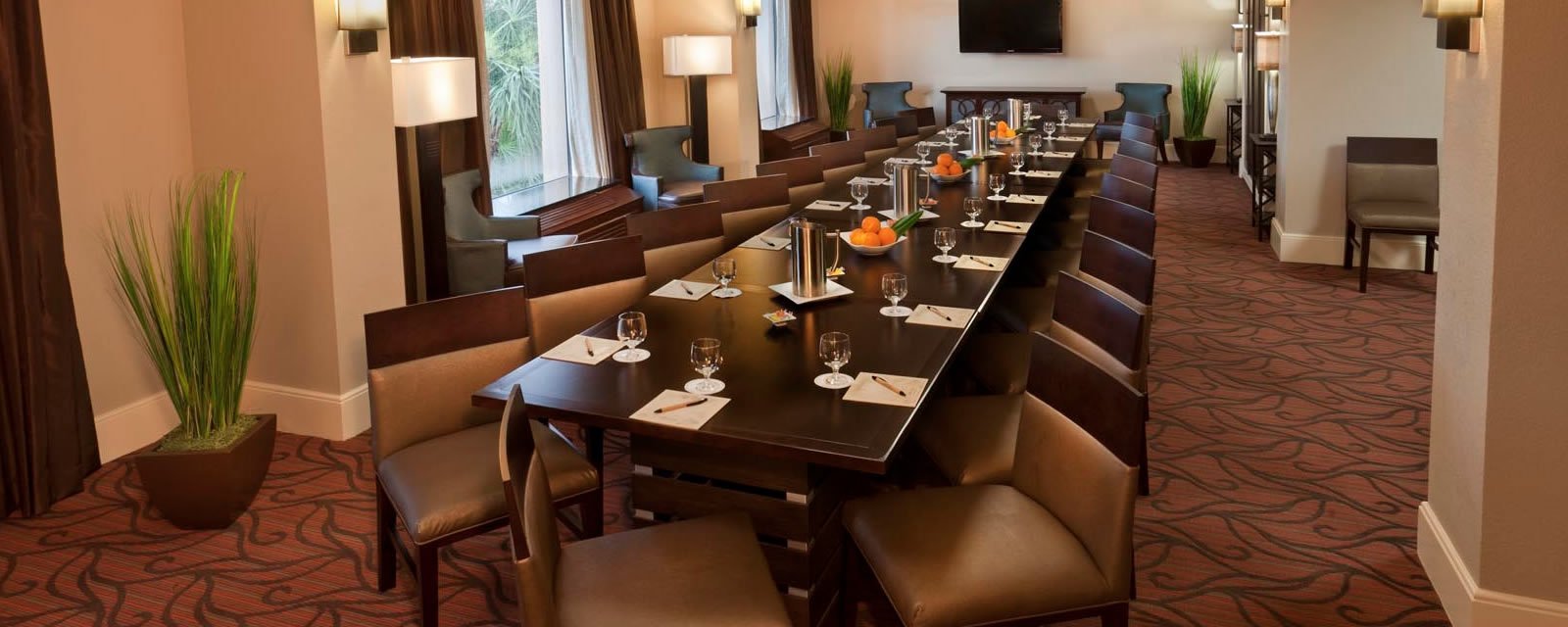
A hotel build covers more than guest rooms. There are public spaces, meeting rooms, a breakfast area or restaurant, back-of-house, laundry, a pool and fitness area, and a significant exterior program of parking, signage, lighting and landscape. For restaurant space inside the property, we draw on our restaurant construction work, which has its own exhaust, grease, and plumbing needs. Rooms themselves are repetitive, which allows efficient framing and finish sequencing, but the repetition magnifies any error.
We often build a model room early so the brand, the owner and the trade partners can approve every finish, fixture and detail before the work multiplies. It is the cheapest insurance in a hotel project. We also coordinate the furniture, fixtures and equipment package with the owner's purchasing team, because that delivery usually controls the last weeks of the schedule and a late truck can hold up an opening.
What drives a hotel budget
Brand requirements, room count and construction type are the primary drivers. A four-story wood-framed building over a podium costs differently from a two-story exterior-corridor property, and a resort with large public spaces costs differently from a compact highway hotel. We build estimates with the owner's brand in mind and flag where a brand standard has a more economical equivalent that the franchisor will accept.
Soft spots in hotel budgets include furniture, fixtures and equipment, low-voltage systems, life-safety systems and the cost of pre-opening operations. We separate those from the hard construction cost so the owner can see them clearly. Long-lead items such as elevators, kitchen equipment and package terminal units benefit from early purchase, and our approach to long-lead procurement keeps those orders ahead of the field schedule.
Scheduling a hotel to open on time
The schedule starts with a target opening date, and we build backward. Final inspections and certificate of occupancy come first, then brand pre-opening inspection, then furniture installation and staff training, then room finishes and the commissioning of mechanical and life-safety systems. Foundation and framing are the front of the line, but in hotels the finish phase is where most delays occur because the sheer number of rooms multiplies every missed inspection.
High-desert climate adds its own seasonal wrinkles. Exterior work, paving and landscaping slip when it freezes at elevation or when afternoon storms arrive in summer. In mountain communities, snow can close roads and delay deliveries for days. We build float into the portions of the schedule that depend on weather and keep the interior work moving so a storm does not stop everything. Where an owner has several properties planned, programmatic multi-site rollouts let us reuse lessons from one site on the next.
Hotel work across New Mexico
We build hotels where owners need them, including Bernalillo and the Rio Grande corridor north of Albuquerque, mountain resort communities, and highway towns along Interstate 25, Interstate 40 and Interstate 10. Each location comes with its own jurisdiction, utility provider, labor pool and supplier distance, and we plan accordingly. For a hotel in a remote county seat we usually staff the job with trade partners who can travel and establish temporary lodging.
Owners and operators who are building multiple properties often ask whether we can offer consistency across them. We can, to the extent that brand prototypes and our own processes can be repeated, and we do it through the hospitality group relationships we maintain. Our hotel building experience covers new construction and renovation, from compact select-service to resort-style properties.
Plan your hotel from the opening date back
Share your site, your brand and the date you need to welcome guests, and we will lay out the major milestones with you. Call or send a quote request and we will take it from there.
Questions Owners Ask
How long does it take to build a limited-service hotel?
The answer depends on size, structure and site, so we avoid quoting a single figure. A compact exterior-corridor property has a different timeline from a taller interior-corridor building, and site utilities and permit review can add months before the foundation starts. We give owners a schedule with the assumptions spelled out and update it as design progresses.
Will the franchisor force changes after construction starts?
Brand review usually happens at design milestones and again near completion. We ask for the brand's current standards at the start, build a model room for approval and keep a log of every variance request, so late changes are less likely. If a standard changes during construction, we price and schedule the effect quickly.
Can you rebuild or renovate a hotel after fire damage?
Yes. Recovery work involves insurance coordination, demolition, new permitting and often updated materials. Owners in fire-prone areas may choose to use more fire-resistant exterior materials and reduce combustible landscaping near the building. We help with the scope definition and a phased plan that gets rooms back in service as soon as it is safe.
What is the biggest schedule risk in a hotel project?
Usually the finish phase, where hundreds of repetitive tasks have to be inspected and corrected before the rooms are handed over. Long-lead items such as elevators and furniture packages come second. We manage both with early purchasing, a model room and room-by-room punch lists.
Do you build the hotel restaurant and bar as well?
Yes. Restaurants, bars and kitchens inside a hotel have their own plumbing, ventilation and health-department requirements. We coordinate those with the rest of the building so the kitchen exhaust, grease interceptors and utility connections are planned alongside the guest rooms.