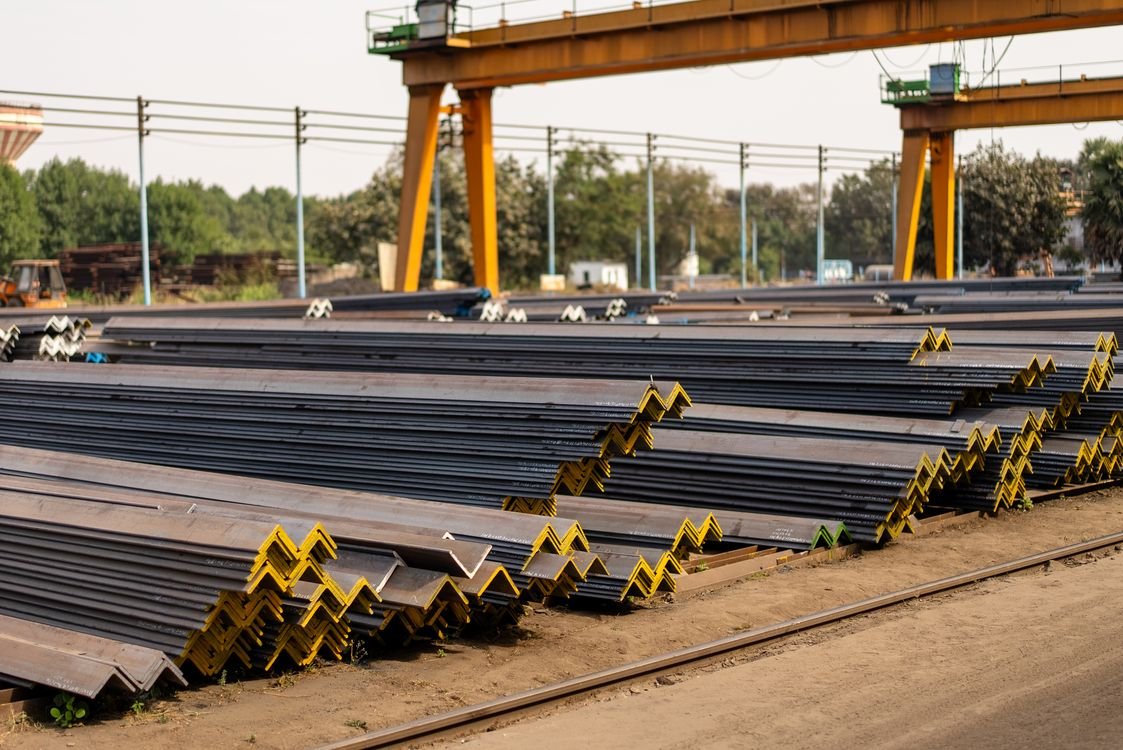
Project Planning
- Preconstruction budget and schedule review
- Permitting, inspections and owner reviews tracked to closeout
- Specialty trade partners scheduled, coordinated and supervised by our superintendent
- Closeout records, warranties and as-built drawings delivered with the building
The switchgear for a data hall can take longer to arrive than the building takes to rise. So can a bridge crane, a package of rooftop units, a transformer, a refrigeration plant or the structural steel for a large plant. When an owner treats those items as ordinary purchases that happen after the permit, the schedule is already behind on the day it is written.
Long-lead procurement is the habit of finding those items first and ordering them early. It starts with a list drawn from the drawings and the owner's program, moves through shop drawings and approvals, and ends with a delivery date that matches the day the crew is ready to set the equipment. Each piece of that chain has to be managed on purpose.
We coordinate this work for owners across New Mexico, where remote sites, long hauls and a limited local supply base make surprises more expensive. This page explains how the process works, how we protect the schedule and the price, and what an owner can do early to help.
Which items count as long lead
The list varies by building, but a handful of categories come up again and again. Electrical gear such as switchgear, transformers, generators and uninterruptible power systems. Mechanical equipment such as chillers, air handlers, boilers and refrigeration compressors. Structural packages such as steel, joists and pre-engineered metal buildings. Specialty equipment such as overhead cranes, elevators, dock equipment and process lines. Large glass, custom doors and special finishes can also take months.
For each item we want to know the supplier's current lead time, the submittal and approval cycle, the shipping method and the on-site requirements. A transformer that ships quickly but needs a month of engineering review is a different problem from one that sits in a factory queue. We keep a procurement log that tracks every item from release to receipt, and we update the owner and design team on its status every week.
Why the supply chain matters more on large state projects
Recent New Mexico announcements show the scale of the equipment that has to be bought. On 2 June 2026 Urenco announced it will install 2.1 million separative work units of new enrichment capacity at Eunice, a project expected to support 300 to 600 U.S. jobs at peak construction, and on 18 August 2026 held a groundbreaking where it stated its investment will increase to substantially more than $8 billion. A project of that kind orders equipment on a schedule set years ahead of the building.
Data center campuses show the same pattern in a different form. A November 2021 report said Meta's additional $800 million would bring total investment in the Los Lunas campus to $2.2 billion for nearly 3.8 million square feet of data center space. Campuses built building after building have a rhythm to their procurement, and the lessons from one building feed the next. Our work on data center construction and for manufacturers is shaped by that rhythm, even on much smaller jobs.
Price, escalation and deposits
Ordering early usually protects price, because a quote tied to a purchase order is less exposed to market movement than an allowance carried in the budget. Manufacturers may require deposits or progress payments for custom equipment, and the owner should know that cash outlay is coming months ahead of installation. Storage is another cost: if equipment arrives before the building is ready to receive it, it needs a protected place to wait, and some items require climate control.
We help the owner compare options. Sometimes buying early and paying for storage is the right call. Sometimes it is cheaper to take a slightly longer lead from another supplier. We present the options with their real costs, including what happens to the schedule if a delivery slips. Detailed information from our preconstruction estimating work feeds the early procurement budget.
Early release packages and tight submittals
We break the project into early release packages. If the building will have a bridge crane, we ask the design team to issue the crane specification ahead of the full set so the crane can be bought and the runway beams detailed around the actual equipment, a coordination point that matters in crane buildings. If the building will be a metal building, the structure package is ordered early so the foundations can be designed to the manufacturer's reactions, which is how we handle pre-engineered metal buildings.
Submittals are where time disappears. We review each one before it goes to the architect, check it against the spec and the neighboring trades, and flag conflicts in advance. A complete submittal on the first round is worth weeks on the schedule. We also follow the shop drawing process into the factory, checking in on fabrication so a delay is learned about early.
Making delivery match the day it is needed
A delivery date is only useful if the site is ready to receive it. We plan laydown areas, crane access, unloading and rigging well before the truck arrives, and for oversized loads we coordinate route studies, escort requirements and permits, which matters on New Mexico highways where bridges and mountain grades limit what can travel. On remote sites, deliveries can take days longer than on a metro job.
Receiving also includes inspection. We check each shipment against the purchase order and the approved submittal, photograph damage and note it on the bill of lading before accepting. Commissioning agents may want to witness factory tests for critical equipment, and we build those visits into the schedule. Items that are installed early are protected from dust and weather, which is a real concern in the high desert.
What this connects to
Procurement is tied to delivery method. A design-build agreement lets the owner release equipment packages early without waiting for a complete bid set, and commissioning and closeout depends on documentation that begins when equipment is ordered. Owners of automotive and EV plants and other equipment-intensive facilities often start the procurement conversation before the site is final.
Order the slow things first
Send us the equipment list or the drawings and we will build a procurement log and a release schedule for the items that will drive your opening date.
Questions Owners Ask
When should we start ordering long-lead items?
As soon as the equipment is defined well enough to specify and the owner is committed to the project. For major electrical and mechanical gear, that is often before construction documents are finished. We recommend an early release package so approvals and fabrication happen while the design is completed.
What if the supplier's lead time changes after we order?
Lead times change, which is why we track every order from release to delivery and talk to the supplier regularly. If a slip appears, we look for resequencing, partial shipments or alternates, and we tell the owner at once so the schedule can be adjusted.
Who holds title to equipment while it is stored?
That is set in the contract and the purchase order. Typically, title and risk of loss pass at specific points, and the owner's insurance must cover stored materials. We help set up storage, insurance and payment terms so the owner is protected.
Is it better for the owner or the contractor to buy the equipment?
Either works. Owner-furnished equipment can capture existing vendor relationships and tax benefits, while contractor-purchased equipment gives one party responsibility for delivery. We lay out the tradeoffs for each item.