Project Planning
- Preconstruction budget and schedule review
- Permitting, inspections and owner reviews tracked to closeout
- Specialty trade partners scheduled, coordinated and supervised by our superintendent
- Closeout records, warranties and as-built drawings delivered with the building
Opening dates for new stores get announced long before a footing is poured. A regional or national retailer works from a real estate calendar, a merchandising calendar and a hiring calendar, and the construction schedule has to fit inside all three. We try to meet the people holding those calendars early, ask which date can move and which cannot, and then plan the build in a way that protects the one that cannot.
New Mexico is a spread-out state, and a store program here is really a program of long drives. Towns are separated by high desert and mountain passes, material deliveries run on interstates that sometimes close for weather, and each community has its own building department and its own idea of how a storefront should look. A builder who has only worked in one metro area can lose weeks learning that. We work in all of them, and we keep a steady relationship with each city and county permit office.
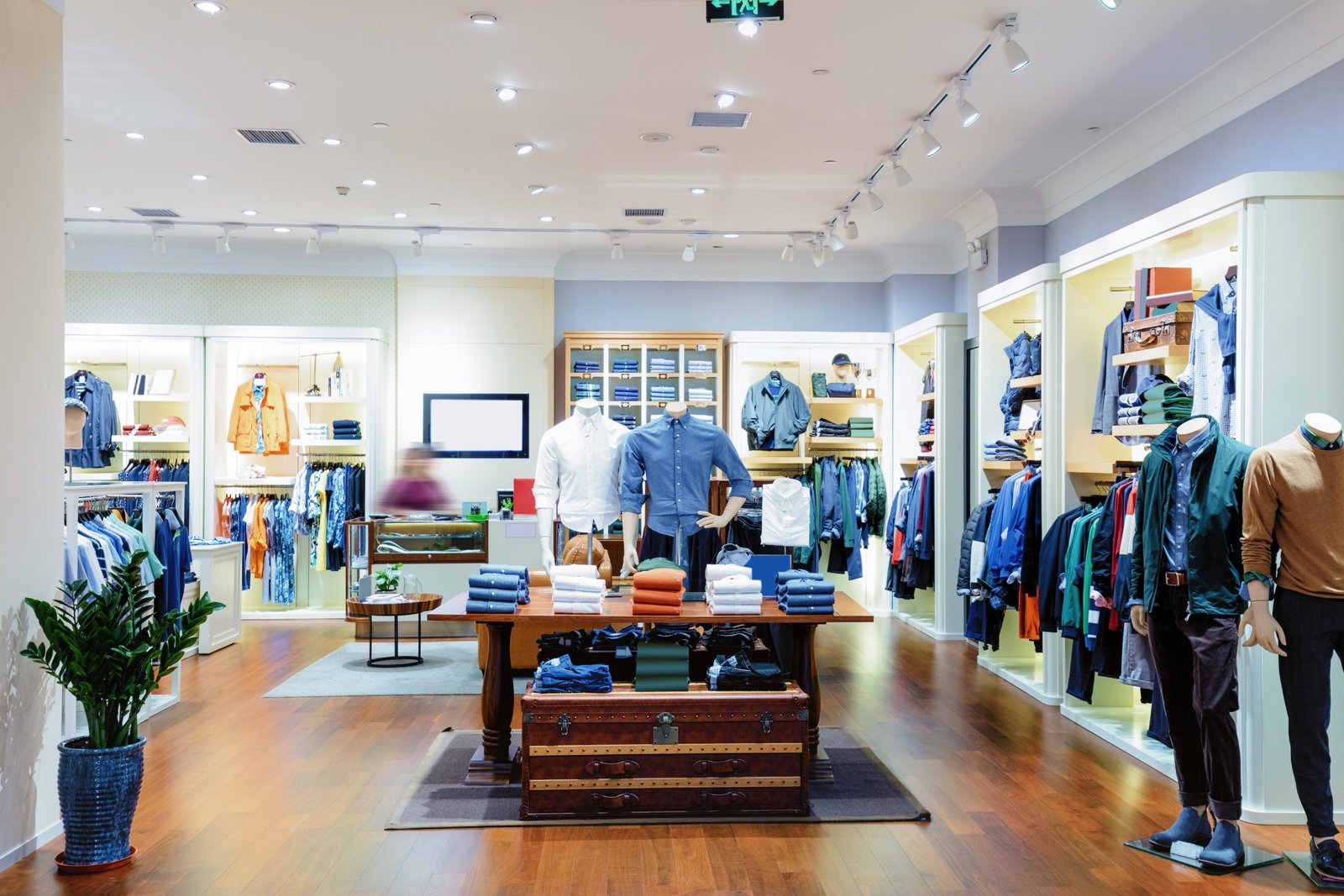
We build ground-up prototype stores, shell conversions and remodels for retailers and restaurant operators, and we coordinate multiple openings so each store benefits from what the one before taught us.
Running a Prototype Program Without Losing Local Judgment
Retailers value consistency, and we respect it. We take a prototype set of drawings, price each site against it and keep a punch list that tracks the same items from store to store. At the same time, no prototype survives contact with a real parcel. Soils, utility depths, grade and local review each push on the drawings, and we present those differences to the retailer's design team as short, specific requests rather than long surprises.
Our programmatic multi-site rollout process assigns one project manager to each region and one superintendent to each site, with a standing weekly call that covers permits, deliveries and inspections. That structure lets a retailer see the whole program on one page while each store still receives close attention.
Matching the Build to the Opening Date
Fixtures, signage, refrigeration and point-of-sale equipment usually come from the retailer, and our schedule has to leave a clean window for them. We hand over the building in stages: dry and secure first, then power and data ready, then final finishes and cleaning. That sequence lets the retailer's installers begin early without working around our trades.
Long-lead items can break a schedule. Storefront glazing, rooftop units, walk-in coolers and switchgear sometimes take months, so we release orders as soon as submittals are approved. Our long-lead procurement practice keeps a running list of lead times and warns the retailer when a decision date is approaching.
Reaching Stores Along I-40, I-25 and Beyond
Many chains plan around the interstates. Santa Rosa has three I-40 exits and sits about 115 miles east of Albuquerque, while in Gallup the interchanges run from about exit 16 to exit 26 along I-40 beside the BNSF mainline. Those numbers matter to a retailer because a highway interchange sets traffic counts, turn lanes and sometimes the state highway permit.
North of Santa Fe the geography becomes more demanding. I-25 crosses Raton Pass at 7,798 feet and occasionally closes in heavy winter snow, so a delivery plan for northern stores allows for a day lost to the weather. We schedule concrete, roofing and exterior finishes with those seasons in mind and keep local crews and local suppliers in the loop wherever we can.
What Drives Store Cost in This State
For a ground-up store, the largest swings are site work and utility service. A parcel at the edge of town may need a main extension or a lift station, while a pad in an existing center may inherit parking, lighting and drainage that are already built. Next come the roof, the storefront and the energy features required by code, because the 2021 New Mexico Commercial Energy Conservation Code, based on the 2021 International Energy Conservation Code, took effect January 30, 2024 and now governs every permit.
Remodels carry different risks. Hidden conditions behind walls, old asbestos-containing materials and deferred maintenance on roofs and mechanical systems can all appear after demolition. We recommend a pre-bid site investigation and an allowance for unknowns, so the retailer is not forced to choose between a change order and a delayed opening.
From Strip Center Pads to Free-Standing Stores
The store formats we see most often include inline suites in retail shopping centers, free-standing pads with drive-through lanes and larger boxes with loading docks at the back. Each has its own structural system, whether tilt-up concrete, masonry or steel framing. We match the system to the schedule and the soil.
Restaurant operators who share the same pad face a similar sequence, with a kitchen that decides the schedule. For those operators, our restaurant construction team coordinates hoods, grease interceptors and health department reviews, and our guidance for hospitality groups adds to the picture for owners who also run lodging.
After opening day, the building belongs to a store manager and often to a landlord's representative. We prepare a turnover binder with warranties, roof details and maintenance schedules, and we are happy to talk with the property management firms that look after the center, so the first service call finds the right contractor. A retailer's second store in a town is usually built faster than the first because the people already know each other.
Share Your Store Program With Us
Send the prototype, the list of markets and your target openings. We will describe what we expect in each community and propose a build order that keeps your calendar intact.
Questions Owners Ask
How many stores can you run at once?
We commit to as many as we can staff properly and no more. Each project gets its own superintendent, and project managers oversee only a handful of sites at a time. We will be candid about capacity before bidding a program, because overpromising is the quickest way to damage a retailer's calendar.
Who handles permits in different jurisdictions?
We do, unless the retailer prefers its own expeditor. New Mexico projects pass through the state Construction Industries Division, local building departments and sometimes fire marshals and highway departments. We track each submission and report the status in our weekly calls so the opening date is based on real review times.
Can you work in an occupied shopping center?
Yes. We protect neighboring tenants with dust walls, schedule noisy work in off hours and keep customer walkways clear. We also coordinate with the center's manager about delivery routes, staging areas and any restrictions in the lease.
What is the best way to bid a regional program?
Give us the prototype drawings, a list of target towns and your preferred opening order. We return unit pricing for the prototype and a site-specific adder for each location, so you can compare towns on equal terms and decide which stores to start first.
What happens when a store opening has to move?
We adjust the sequence rather than simply extend it. If the date slips for a reason outside our control, such as a late utility connection, we look for work that can proceed in parallel, keep the retailer's installers informed and give a revised opening estimate within a few days. A clear explanation of the cause is part of that update.