Project Planning
- Preconstruction budget and schedule review
- Permitting, inspections and owner reviews tracked to closeout
- Specialty trade partners scheduled, coordinated and supervised by our superintendent
- Closeout records, warranties and as-built drawings delivered with the building
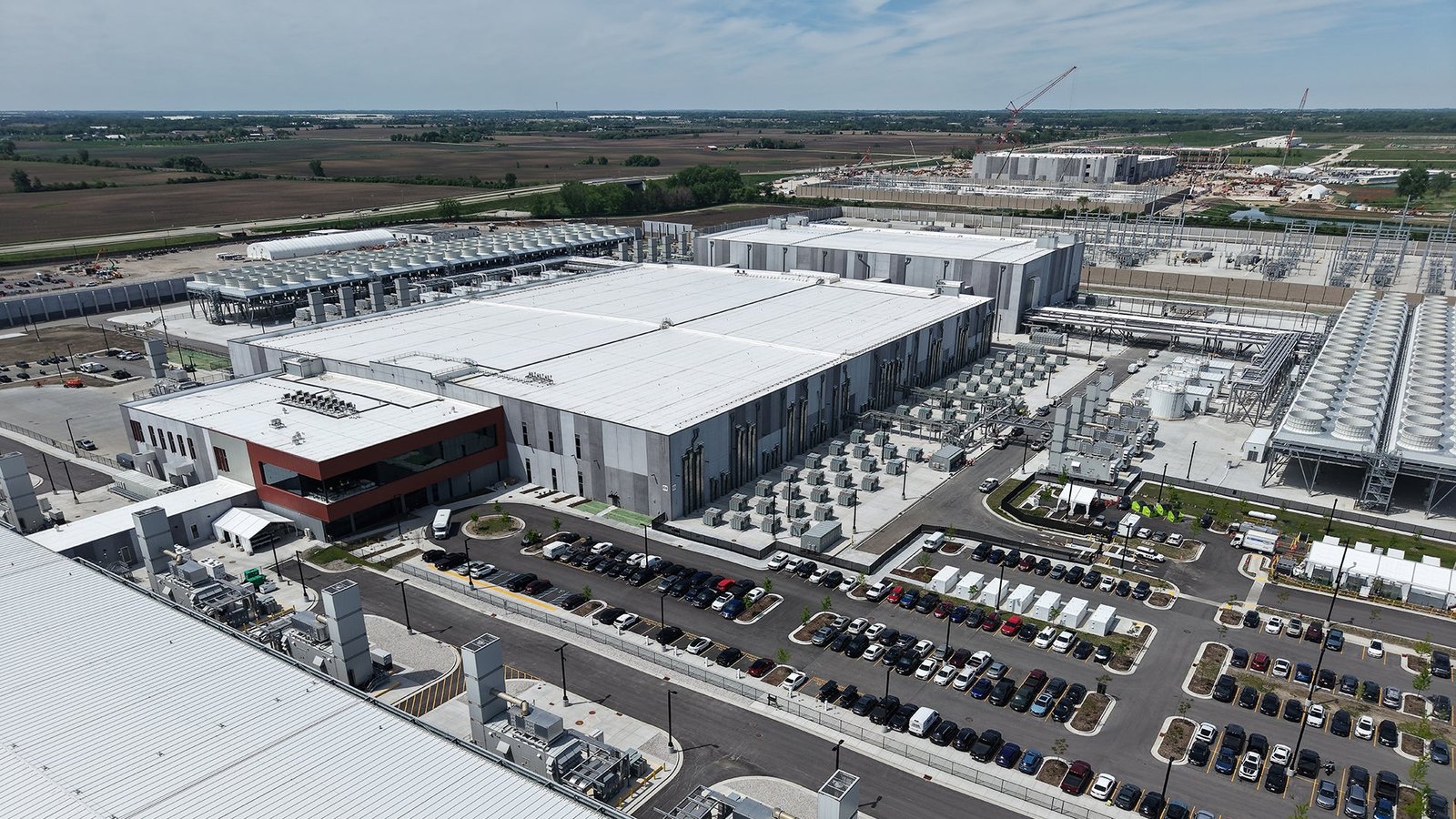
By July 2025 the data center campus in Los Lunas had grown past four million square feet, with seven operating buildings and three more under development. A campus that size is not built in one push. It is built hall by hall, with the next phase starting while the last one is still being commissioned, and that rhythm is what we plan around whenever an owner brings us a data center in New Mexico.
Power and water set the pace before any concrete is placed. In Santa Teresa, a data center of roughly 1,400 acres has been described as under construction, and west of Rio Rancho a planned freeway corridor is intended to open thousands of acres for manufacturing, distribution, data center and warehouse facilities. Sites like those need utilities to arrive in step with the building, and a contractor who understands how to stage that work saves the owner months.
We start with the same question every time: what does the owner need energized, and when? The answer decides how we phase foundations, structure, mechanical yards and the electrical rooms, and it shapes everything from the crane plan to the submittal calendar.
Building in Repeatable Phases
Because owners usually plan several halls, our job is to make the second one faster and cleaner than the first. We track what worked in each phase, from slab tolerances to conduit routing to the order of overhead trades, and carry that learning into the next. Standard details help, and the handover steps in commissioning and closeout get rehearsed on the first hall, but we never assume a repeat building behaves like the first, since soil, weather and labor can change from one phase to the next.
Coordination is the real work. Electrical gear, generators, cooling plants and fiber paths all compete for space, and a clash discovered in the field costs far more than one found in a model review. We hold coordination meetings with design and trade partners well before installation, and we keep submittals moving so approvals do not become the critical path.
Power, Water and the Code Path
Electrical work in New Mexico runs under the 2020 New Mexico Electrical Code, which adopts the 2020 National Electrical Code as amended and took effect March 28, 2023. Data centers lean on that code more heavily than most building types, so we confirm service entrance, switchgear and generator details with the engineer and the local authority early. Plumbing and mechanical codes are also changing: the 2024 editions are listed as effective August 1, 2026, with permits issued under either the 2021 or 2024 edition until January 1, 2027.
That overlap matters for a project in design today, because the edition used for the permit can change the cooling plant, piping and equipment details. We help owners decide which path to follow, and we align the permit set with the date the project will actually be reviewed. Energy code compliance, fire protection and any local site plan review run alongside, and we track each one to a clear approval.
Equipment That Sets the Calendar
Generators, transformers, switchgear and chillers can take longer to deliver than the building takes to erect. For that reason we order and track the electrical and mechanical backbone before almost anything else, and we sequence structure so that gear can be set as soon as the pad and the roof are ready. Our long-lead procurement process keeps each item visible, with required-on-site dates tied to the schedule.
Site work runs ahead of everything. Roads, drainage, utility trenches and the security perimeter need to be in place before the first hall rises, and monsoon season can interrupt open excavations in the desert. We plan site development and utilities so that crews are never forced to wait on a ditch or a duct bank.
What Moves a Data Center Budget
Most of the cost lives in the systems, not the shell. Electrical distribution and cooling make up the largest share, followed by structure, site work and security. Design changes late in the process can ripple through all of them, so we price at each design milestone and show owners what each decision does to the total.
Land and utility upgrades can also move the number. Extending power lines, building a substation pad or bringing in water for cooling may be an owner or utility responsibility, yet it still affects the schedule and the budget. We help owners understand those pieces early so they do not surface as surprises at the end of design.
Where the Work Is Happening
The state has shown that large technology users will build at scale when power, land and tax conditions line up. The Los Lunas campus reportedly employed more than 1,000 construction workers at its peak, and its owner has generated $145 million in gross receipts tax for the village over the life of the campus. For a builder, those numbers describe a labor and logistics challenge as much as a building challenge.
Developers evaluating sites often ask whether the local workforce, equipment and supply chain can carry a build of that size. We help answer that question by looking at trade availability, haul routes and lodging. Owners and developers can read more about our work with commercial real estate developers, and about the data center building type itself.
Plan Your Data Center Build
Share the site, the power plan and the first-phase date. We will map the phases, the long-lead items and the review path before you commit to a schedule. You can also read about our work in Los Lunas.
Questions Owners Ask
How long does a data center shell take compared with the fit-out?
The shell is often the shorter part. The electrical and mechanical systems, testing and commissioning can take as long as the structure, and sometimes longer. We schedule shell and systems together so the building is ready for load testing when equipment arrives.
Does desert weather affect data center construction?
It does in specific ways. Monsoon storms can flood open trenches and slow concrete, and extreme heat limits how long some trades can work in the afternoon. We plan early starts, drainage and protection for stored equipment, and we schedule sensitive pours for the right part of the day.
What happens to permits if codes change during design?
The state allows permits under an earlier edition for a stated period after a new code takes effect, and the plumbing and mechanical overlap runs until January 1, 2027. We check which edition your permit will fall under and design to that edition, so the drawings do not need to be redone later.
Can you build a data center in phases without disturbing the first hall?
Yes. We use separate construction access, dust control, vibration limits and clear shutdown plans for tie-ins. Commissioning of the first hall can proceed while the next one is under construction, as long as the two teams have defined boundaries.
How do you handle water for cooling in a dry climate?
Water supply and cooling type are design decisions that affect the budget and the permit path, so we raise them in preconstruction. We price alternatives and confirm utility capacity with the provider before the design is locked, because changing the cooling strategy late can disrupt both the structure and the site.