Project Planning
- Preconstruction budget and schedule review
- Permitting, inspections and owner reviews tracked to closeout
- Specialty trade partners scheduled, coordinated and supervised by our superintendent
- Closeout records, warranties and as-built drawings delivered with the building
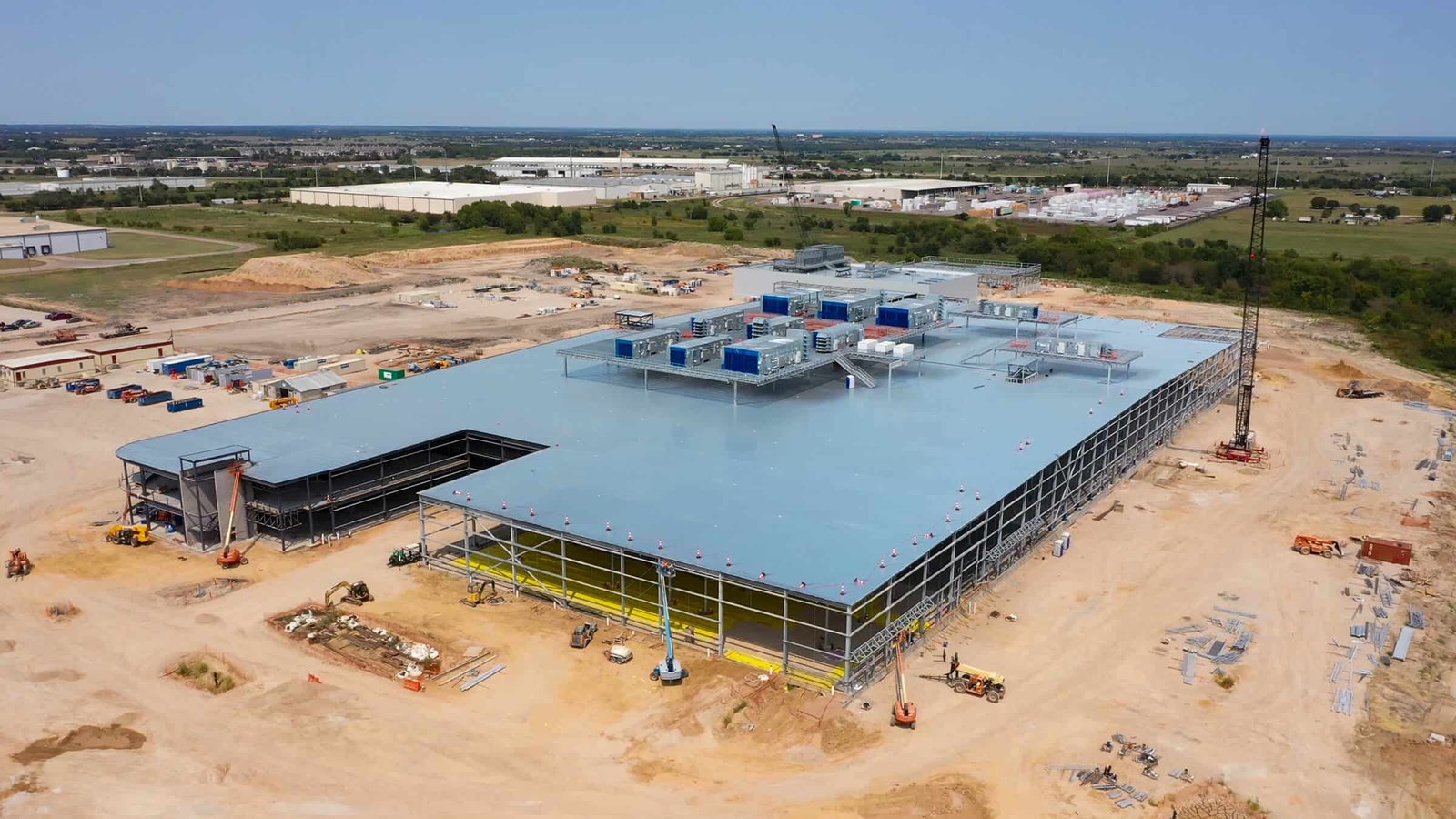
Process equipment arrives on its own schedule, and the building has to be ready to receive it. A plant owner in New Mexico may have a line shipping from overseas, a lender expecting production by a set quarter and an inspector who needs to sign off on the floor before a single machine is set. We build manufacturing facilities with that sequence in mind, which means the slab, the power and the roof all answer to the equipment list rather than the other way around.
The state offers a wide range of examples. Intel opened Fab 9 in Rio Rancho on January 24, 2024, as part of a $3.5 billion advanced packaging investment that supported over 3,000 construction jobs. In Roswell, Leprino Foods operates one of the world's largest mozzarella factories. Those are very different plants, yet both depend on the same basics: dependable utilities, a floor that tolerates the process and a construction schedule that respects the commissioning window.
We listen first to how product, people and trucks move through your operation, then we list what the site and the codes will allow. Most conversations begin long before drawings are final, and that early input is often where a plant saves the most money.
What We Manage Most Closely
Manufacturing owners tend to value fewer hand-offs, so we keep the structural work under one sequence as far as the project allows. We schedule and supervise site concrete, footings, equipment pads, slab-on-grade and the structural erection that gets a shell dried in. Direct control over those first trades keeps the critical path honest, because the earliest delays are the ones that compound downstream.
Specialty trades stay with trade partners we trust, including process piping, cleanroom finishes, high-voltage electrical and controls. We coordinate those packages tightly with the owner's equipment vendor, since a missed anchor bolt template or a misplaced trench drain can cost days in a plant that is already waiting for production. Heavy steel work often begins with structural steel erection, and we plan crane access and laydown areas before the first column arrives.
Why Plants Locate Where They Do
Manufacturers in New Mexico often choose sites for reasons that sit outside the building itself: rail, power, water, labor and incentive programs. The Industrial Park in Clovis offers on-site BNSF service, and Southwest Cheese announced a $140 million expansion there in November 2015 that was expected to raise operating capacity by 30 percent. That kind of expansion tells us a plant often grows in stages, so we frame the first phase with the next one in mind.
In the south and east, border logistics and agricultural processing shape demand, and in the north, national laboratory work draws a supplier base that needs precision and clean conditions. We pay attention to who will operate the building, because a food plant, a metal shop and an electronics line each ask the floor and the air for very different things. Food and beverage work has its own demands, which we cover in our food and beverage processing experience.
Timing the Shell Around the Equipment
Equipment lead times drive more manufacturing schedules than any weather window. We ask early for anchor bolt templates, pit dimensions, trench layouts and weight loads, then build them into the foundation package so nothing has to be broken out later. Slabs for heavy presses or conveyors often need thicker sections and special reinforcement, which is much easier to place the first time than to retrofit.
We also schedule the building in zones when the owner wants to begin installing equipment before the entire shell is complete. That approach needs careful safety separation between construction and installation crews, but it can shorten the time to first production. Items with long delivery periods, such as switchgear and rooftop units, deserve their own tracking, and our approach to long-lead procurement keeps those orders visible from the start.
Working Safely Around Live Operations
Expansion work often happens beside a plant that is still running. Forklift traffic, hot work permits, chemical storage and overhead cranes all affect how and when we can work, so we write a site safety plan with the owner's safety lead before we mobilize. Separate gates, marked haul routes and agreed shutdown windows help construction and production share a site without trading risk.
The state's electrical code is the 2020 New Mexico Electrical Code, which adopts the 2020 National Electrical Code as amended and took effect March 28, 2023. Power-heavy plants should plan on that edition for service, distribution and equipment connections, and we confirm the details with the electrical engineer and the local inspector before gear is ordered.
Delivery Methods and Related Work
Manufacturing owners often choose design-build delivery because one team carries the building and the equipment layout together. That works especially well when the process is still being refined, since the builder can offer cost feedback during design. Other owners prefer a hard-bid structure with a fully developed set, and we work either way.
Related work includes site utilities, truck courts, yard improvements and the offices and break rooms that tend to be added after the production floor is under way. We handle those as part of one coordinated schedule so the owner deals with a single contractor of record. Owners comparing options can read more about how we work with manufacturers and about our broader manufacturing plant experience.
Plan Your Plant With Us
Tell us what the process needs and when production must begin. We will help you set a realistic path from site to first run.
Questions Owners Ask
How early should we bring in a builder for a new plant?
As soon as you have a rough process layout and a candidate site. Early cost feedback on utilities, slab loads and building height often changes the design before it is expensive to change. A builder at that stage can also flag long-lead items that will set the true schedule.
What floor does a manufacturing plant need?
That depends on the load, the chemicals and the cleaning method. Heavy equipment may need thicker slabs, sealed floors can resist spills, and food areas often need sloped drains and sanitary finishes. We settle the floor details with your operations team before design is final.
Can construction continue while production runs next door?
Yes, with the right separation. We build gates, haul routes and dust control into the plan and agree on shutdown windows for tie-ins. The more detail we have about your shifts, the better we can avoid the times when your plant is busiest.
Do we need a special license to build a plant in the state?
The contractor of record must hold the right classification from the Construction Industries Division, and the GB-98 General Building classification covers commercial buildings and the work in several narrower ones. Some trades, such as electrical and mechanical, carry their own licenses. We confirm the full roster before bidding.
How do you control cost when process equipment is still changing?
We carry allowances for the items not yet defined, track them openly and update the budget at each design milestone. When the equipment package settles, we replace the allowance with real numbers and show you where the savings or increases landed.