Project Planning
- Preconstruction budget and schedule review
- Permitting, inspections and owner reviews tracked to closeout
- Specialty trade partners scheduled, coordinated and supervised by our superintendent
- Closeout records, warranties and as-built drawings delivered with the building
A parcel in Los Ranchos de Albuquerque is small, surrounded and scrutinized, and a contractor who works there should treat every project as an infill job. The village has a total area of 4.4 square miles, all land, and is surrounded on three sides by the larger city of Albuquerque. There is little room to stage materials, turn trucks or store equipment, and neighbors are close enough to hear every saw. We plan for those conditions before the first stake goes in.
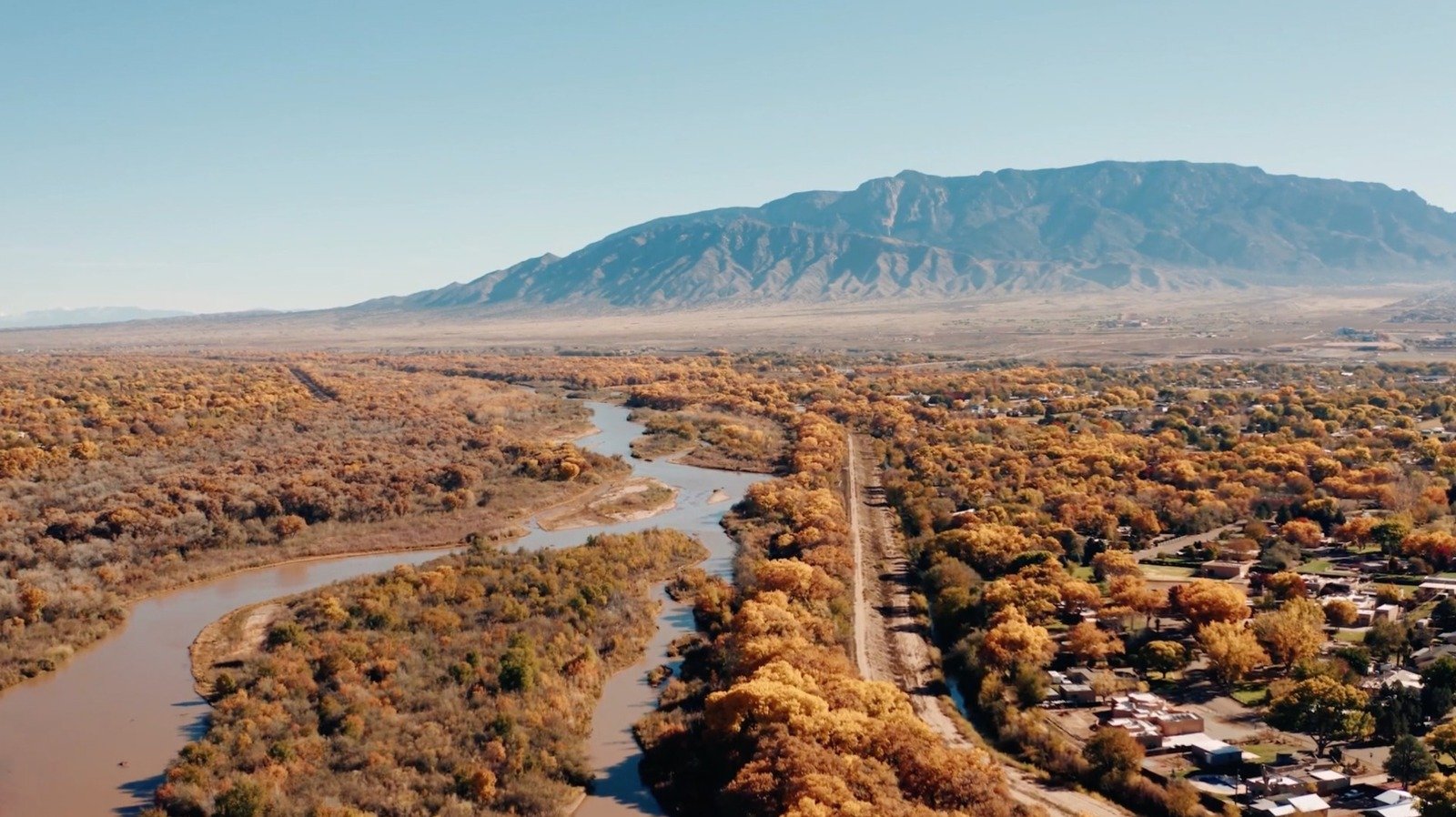
The village lies on the east side of the Rio Grande at an elevation of 4,984 feet, and it had a population of 5,874 at the 2020 census. Owners here tend to value the valley character: the older lots, the trees, the irrigation ditches and the sense of space between houses. We support that by building carefully, finishing neatly and leaving the street as clean as we found it.
The typical project is a renovation, a tenant improvement, a small addition or a modest new building on a valley lot. We handle all of them, and we are comfortable working next to occupied homes and businesses.
Rio Grande Boulevard and the valley as a place to do business
Subdivisions and estates began to appear along Rio Grande Boulevard in the early 20th century after the railroad reached Albuquerque, while the valley continued to hold many farms and ranches. That mix of older lots and working land still shapes the village, and it tells us what to expect on a given site: buildings of different ages, a long history of modifications and, often, records that do not match what is in the ground. We spend time on the survey and the existing conditions for that reason.
The shift from agricultural to commercial or mixed use is a common story here. A barn becomes a studio, a garage becomes a shop and a former farmhouse becomes an office. We build those conversions carefully, and we bring a clear estimate of what it will cost to bring an old structure up to current standards. A small office building on a valley lot is the other common request, usually for a professional who wants to work close to home, and we design those with generous daylight, durable finishes and parking that fits the lot.
Respect for neighbors and tight sites
With neighbors on all sides, communication is as important as construction. Before we mobilize, we tell the adjoining owners when the work will start, how long it will last and who to call with a concern. We set working hours, put up fencing and keep a dust and noise plan. That small courtesy prevents most complaints.
On a compact lot, logistics decide the schedule. We deliver materials in small loads, stack them tight and keep the street clear. Concrete trucks and cranes require special planning, so we sometimes use pump trucks and smaller equipment to reduce the footprint. A thoughtful phasing plan is often what makes a tight site buildable. When an existing structure has to come down first, we manage selective demolition by hand or with small equipment, sort materials for reuse where it makes sense and keep dust controlled so neighbors can keep their windows open. Debris leaves the site on a schedule we share in advance, which keeps the street clear and the neighbors informed.
Renovations, additions and tenant improvements
Most of our work in the village begins with an existing building. We strip finishes to find what is behind them, repair structure, replace roofs, upgrade electrical and plumbing, and rebuild interiors. Tenant improvements follow the same logic, scaled to a lease and a schedule.
When a project involves a change of use, such as converting a house to an office or a barn to a studio, we help with the code review. Adaptive reuse means more than new paint: it includes accessibility, fire separation, parking and sometimes utility upgrades. We lay out what is required, in what order and at what cost. Most owners are surprised by how much of the work is hidden: a new service panel, a water line to the street, a parking layout that satisfies the reviewer. We bring those items into the first estimate so the budget the owner approves is the budget that gets built.
Which jurisdiction decides
Because the village is its own municipality inside a larger metro area, owners sometimes ask who reviews their project. The answer depends on the location and the scope, and we confirm it with the village and the state before submitting anything. Commercial construction falls under the New Mexico Commercial Building Code, which adopts the 2021 International Building Code as amended and took effect July 14, 2023.
The state's licensing rules matter too. Under 14.6.6 NMAC, the GB-98 General Building classification requires four years of foreman level experience, at least two of them commercial, and covers erecting, altering, repairing or demolishing residential and commercial buildings and certain structures. We mention it because owners deserve to know that the contractor and the trade partners they hire hold the right classification.
Who we build for in the valley
Our clients include local business owners, property management firms that hold several small buildings, investors who are converting older parcels and families who are expanding a home business. Each wants something different: income, space, character or resale. We ask about the goal first and design the construction plan to support it.
For nearby municipal and institutional owners, we offer the same careful approach. A small public facility or a community building on a valley lot is a similar job, with extra attention to procurement and documentation. Owners comparing options in Albuquerque or Bernalillo can ask us to price each so they see differences in cost and approval time.
Talk with us about a Los Ranchos project
Send us a description of the parcel and what you would like to do with it. We will visit, review the constraints and explain what a project would involve. Please use the contact form and we will reach out.
Questions Owners Ask
How do you build on a small lot with neighbors close by?
With planning and courtesy. We stage materials carefully, limit hours, keep fencing in place and communicate with adjoining owners. We also use equipment sized for the site, such as pump trucks and compact lifts, so the work does not spill into the street.
Can I turn a barn or outbuilding into a business space?
Often, subject to zoning and code review. We evaluate the structure, the utilities and the access, then outline what it will take to meet current standards. The cost of upgrades is the deciding factor, so we provide a realistic estimate before the owner commits.
Does the village or Albuquerque review my project?
It depends on where the parcel sits and what is proposed. We confirm with the village and the state before submitting plans. Having the right office review your drawings from the start avoids months of delay.
What should I look for in a contractor license?
The classification should match the work. A general building classification covers erecting, altering, repairing and demolishing commercial buildings. Ask to see the license and confirm that the trade partners who will do electrical, plumbing and mechanical work also hold current licenses.