Project Planning
- Preconstruction budget and schedule review
- Permitting, inspections and owner reviews tracked to closeout
- Specialty trade partners scheduled, coordinated and supervised by our superintendent
- Closeout records, warranties and as-built drawings delivered with the building
Rebuilding in Ruidoso is a long project that begins with listening, because an owner who lost a building to fire or flood is working through more than a construction schedule. The South Fork Fire, first reported on June 17, 2024, burned 17,569 acres near Ruidoso and destroyed more than 1,400 structures, and two people died. We approach every recovery job with that fact in mind, and we plan to be patient, clear and reliable.
The practical work is substantial. Sites need to be cleared and tested, drainage has to be reconsidered, utilities may have to be replaced, and permits and insurance have to be coordinated. We help owners through each step, from demolition and debris removal through permitting, and we build the new structure to the current code with the details that make it more resilient than the one it replaces.
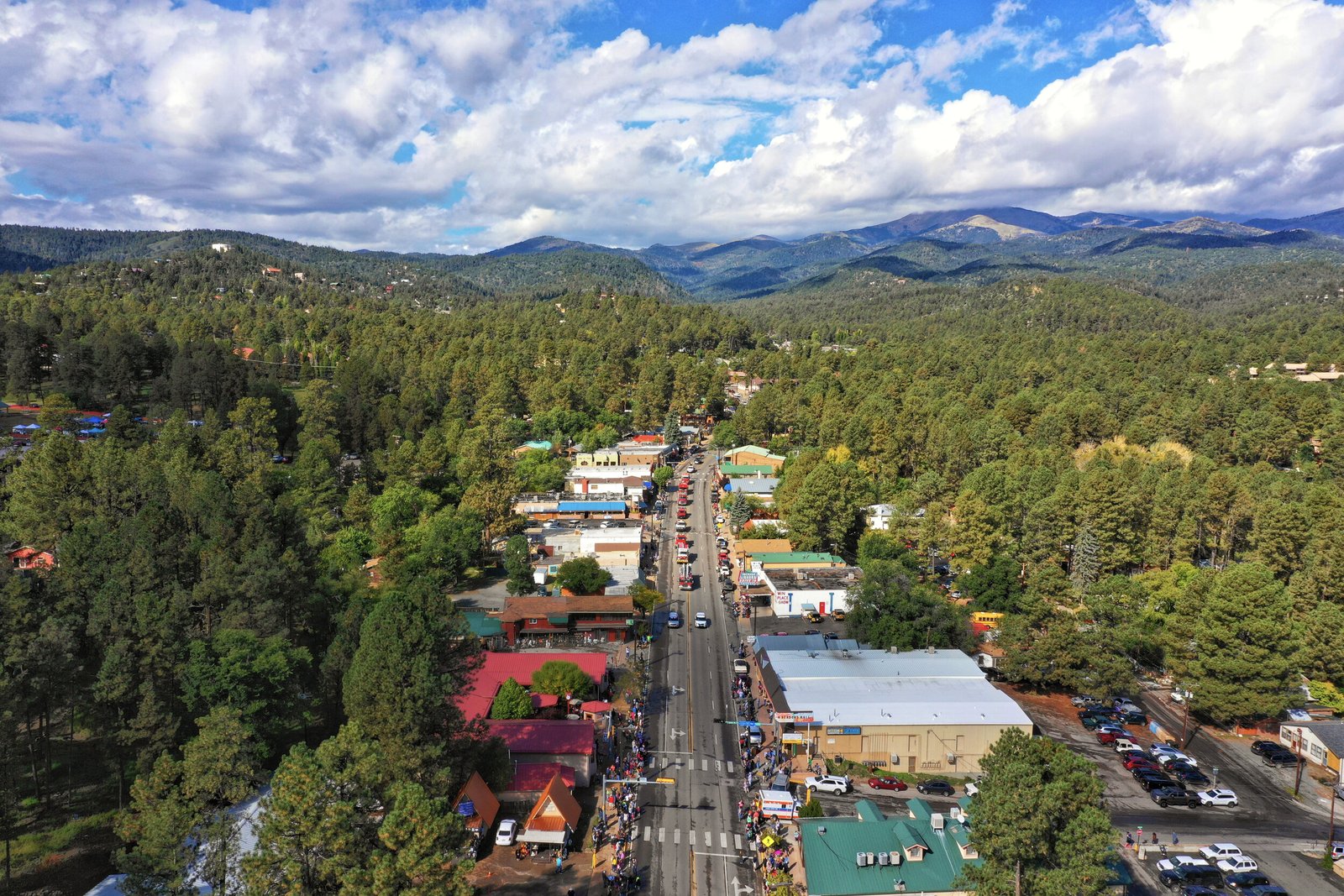
Ruidoso is also a working mountain community, the largest in Lincoln County and its regional economic hub, with draws such as Ski Apache, the Inn of the Mountain Gods and Ruidoso Downs Race Track. We build for lodging, restaurants, retail and professional owners who serve that visitor economy as well as the people who live here year-round.
Slopes, creeks and what the 2008 flood taught
The village sits in the Sierra Blanca range next to the Lincoln National Forest, with elevation ranging from 6,400 feet in the southeast valley of the Rio Ruidoso to over 7,700 feet near Alto. Steep lots, narrow roads and creek channels make drainage the first design question. In July 2008, remnants of Hurricane Dolly brought up to 9 inches of rain in the Ruidoso area, about 500 structures were damaged, and estimates ran from $15 to $20 million.
That history is part of every site discussion. After a fire, bare ground sheds water faster than it did before, and a drainage plan must account for that. We work with the engineer to design swales, culverts, retaining walls and erosion controls through the stormwater and drainage trade partners, and we sequence earthwork so a storm does not catch an open site unprotected. During monsoon season we watch the forecast.
Recovery as a conversation
We start recovery projects by understanding what the owner needs. Some want the same building back, some want something different and some are still deciding whether to rebuild at all. We lay out options, costs and timelines honestly, and we do not push. Many owners find that the first month is mostly paperwork and decisions, and that is fine; we would rather spend that month well than rush into a design that has to be redone. Our job is to make the decision easier and to build well once it is made.
We also work with insurers, lenders and public agencies. Documentation of existing conditions, photographs, estimates and change records all help a claim and a draw. We keep them organized from day one, and we hand the owner a complete binder at closeout, with warranties, manuals and as-built drawings, so a future repair or sale does not begin with a search for paper. When a project must be completed within a coverage period, we plan the work backward from that deadline.
Hillside work and fire-resistant construction
Mountain job sites bring risks: slopes, steep driveways, limited access and weather. We plan equipment paths, protect excavations and brace walls before they are loaded. Cranes and concrete trucks may not be able to reach a lot, so we plan pumps, smaller lifts or helper equipment and tell the owner how that affects cost.
For rebuilds in a fire-prone area, materials matter. Noncombustible siding, ember-resistant vents, tempered glass, metal or other fire-rated roofing and carefully managed landscaping reduce risk. We recommend those measures and coordinate with the architect and the building official. We do not claim they make a building fireproof, but they improve the odds.
Permits, codes and sequencing a rebuild
The New Mexico Commercial Building Code adopts the 2021 International Building Code as amended and took effect July 14, 2023. Rebuilding a damaged commercial building brings it under the current code, which may differ from the original, and the owner should know what that means for egress, accessibility, fire protection and energy.
From August 1, 2026, the 2024 New Mexico Plumbing Code and 2024 New Mexico Mechanical Code are listed as effective, with permits issued under either the 2021 or 2024 edition until January 1, 2027 and only the 2024 edition after that. We confirm the governing edition on the day your permit application is accepted and design accordingly.
Lodging, restaurants and mountain retail
US 70 runs through the southeast part of Ruidoso, 70 miles east to Roswell and 33 miles southwest to Tularosa, and NM 48 runs along Sudderth Drive, the main street, and goes 18 miles north to Capitan. Buildings on these roads serve both residents and visitors. We build lodging, restaurants, shops and offices, and we design for snow, wind and seasonal demand.
Owners who run several properties, such as hospitality groups, often ask us to coordinate repairs or renovations across all of them in one off-season window. We schedule crews so the work moves from building to building, finishing each before the next peak.
Building around the visitor calendar
Visitor seasons rise and fall, and a lodging or restaurant owner needs construction to fit. We plan loud and disruptive work for quiet periods, finish exteriors before winter and deliver key rooms or dining areas ahead of holiday weekends. A seasonal schedule is built into every proposal.
Materials and trades have to come up the mountain. We order early, consolidate loads and coordinate with suppliers in Roswell and Alamogordo to shorten lead times. If weather closes a road, we have a fallback plan for the crew and the delivery.
Talk with us about rebuilding or building in Ruidoso
If you are rebuilding or planning something new, we will meet you on the site and talk it through at your pace. Use the contact form and we will arrange a visit.
Questions Owners Ask
Can I rebuild the same footprint after the fire?
Often, but it depends on zoning, floodplain status and the current code. We review the original building, check for setbacks and drainage constraints, and meet with the local official to confirm what is allowed. Then we price the rebuild with the owner.
What should I do first after losing a building?
Document the site, talk to your insurer and secure the property. Then bring in an engineer for a soils and drainage review, because burned ground behaves differently. We can help organize that and walk you through the permit process.
How do mountain slopes change the foundation?
They often require retaining walls, deeper footings, careful drainage and erosion control. A geotechnical report guides the design. We coordinate the engineer and make sure the foundation is built exactly as designed.
Can materials make my new building more resilient to fire?
Materials can reduce risk. Noncombustible siding, ember-resistant vents, fire-rated roofing and tempered glazing are common choices. No material makes a building immune, but together with defensible space they improve the odds.
How do you handle deliveries on a steep lot?
We plan the route and equipment early. Smaller trucks, pump trucks, staging at a lower area and early coordination with neighbors keep the work moving. We tell the owner when access constraints will add to the cost.