Project Planning
- Preconstruction budget and schedule review
- Permitting, inspections and owner reviews tracked to closeout
- Specialty trade partners scheduled, coordinated and supervised by our superintendent
- Closeout records, warranties and as-built drawings delivered with the building
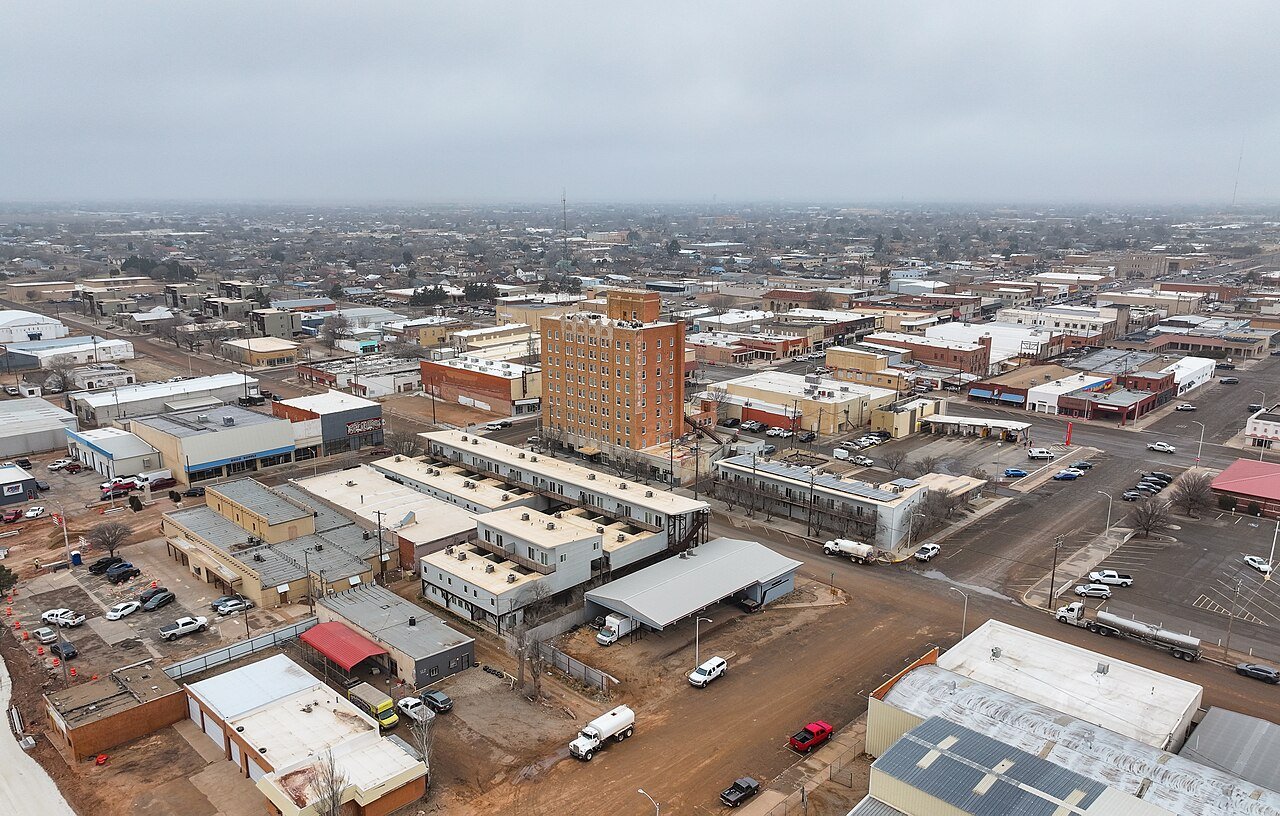
More than 100 freight trains, mostly intermodal, arrive and leave Clovis every day, and any warehouse or processing plant built here is working in the shadow of that fact. BNSF operates a division point and a large classification yard on its Southern Transcon in the city. For an owner, that means rail is not an exotic feature in Clovis; it is the backbone of the market, and we lay out buildings, aprons and truck courts to take advantage of it.
The Clovis Industrial Park is described by Clovis Economic Development as a shovel-ready, certified industrial site with on-site BNSF railway and Xcel Energy service, and its industrial parks have 230 acres of land available for development. We have the crews to take that kind of land from raw ground to a closed-in building: grading, utilities, tilt-wall or metal framing, slab and paving, and the final inspections that put the building into service.
Our approach to a Clovis owner is to ask first what moves through the building and by what mode, because rail doors, truck doors and product flow decide everything else. A cheese plant, a grain handler, a transload warehouse and a base contractor have very different needs, and a sensible plan starts from those needs.
Food processing, defense and local institutions
Southwest Cheese announced in November 2015 a $140 million expansion in Clovis that was expected to create more than 50 new jobs, raise operational capacity by 30 percent and bring total Clovis employment to over 400. Dairy and food plants of that kind require sanitary construction, heavy utilities and wastewater handling, and we apply that discipline to any food and beverage processing building.
Clovis Economic Development lists Cannon AFB, with active, contract and civilian staff, at 5.6K employees, followed by Eastern New Mexico University at 1.3K, Clovis Municipal Schools at 1.1K and Community Homecare at 750. Those institutions create a steady stream of building, renovation and maintenance work, and our public sector experience helps us respond to the procurement process.
Military construction on the horizon
In November 2025 a KFDA report said Cannon Air Force Base would receive over $80 million secured by Senator Martin Heinrich, including an $80 million 192-bed dormitory and over $8 million for a security forces training facility, with no date announced for the upgrades. We watch announcements like this closely, since the contractors who prepare early are the ones who can respond when a solicitation appears.
Federal work follows its own rules for bonding, security, safety and submittals. Builders who treat those as an afterthought lose. We build the paperwork into the schedule from the beginning and make sure that suppliers, subcontractors and our own staff understand each requirement before mobilization.
What we build and manage here
Rail-served industrial buildings are heavy structures. We pour thick slabs and aprons for trailers and forklifts, place footings for large tilt-wall panels, and set steel for long spans and heavy roof loads. Our warehouse construction trade partners have the equipment to handle panel casting and lifting on the owner's own site.
For sites that include rail, we coordinate track spacing, grade crossings and dock heights with the railroad. A door that is a few inches off the car floor can slow loading all year, and we prefer to check dimensions before the concrete is poured than discover them afterward.
Climate and design loads
Clovis Economic Development lists the city's elevation as 4,266 feet, with 18.5 inches of rainfall and 10 inches of snowfall per year. Those numbers mean real snow loads on roofs, real rainfall on flat ground and freezing cycles on exposed concrete, and structural and drainage design should reflect them.
Commercial buildings follow the 2021 New Mexico Commercial Building Code, which adopts the 2021 International Building Code as amended, effective July 14, 2023. We confirm the governing editions of energy, electrical, plumbing and mechanical codes with the local building official before we finalize drawings. For a general view of how we organize approvals, see our permitting and entitlements service.
What drives cost on a rail-served site
The biggest swing items are track work, the thickness of aprons and slabs, and utility extensions. A rail door that needs a long approach, a floor built for heavy rack loads, or a new electrical service can each move the budget by a visible amount. We price them as separate lines, so you can see what a feature costs and choose whether to include it.
Dairy and food processors add refrigeration, drains and finishes to the list. We offer value engineering during preconstruction estimating, which usually saves more money than haggling over bids later.
Highways and nearby markets
U.S. Routes 60, 70 and 84 pass through Clovis, with Routes 60 and 84 heading west to Fort Sumner and Route 70 running southwest to Portales. Those routes serve agriculture, dairies and freight across the high plains, and they determine delivery timing for materials and crews.
We take projects in the nearby city of Portales, as well as in Hobbs and Roswell, and often combine mobilization to reduce cost. Clovis Municipal Airport provides a base for general aviation and daily service by Key Lime Air, which also helps owners and specialty trades travel in and out.
Start planning your Clovis project
Share the site, the freight mode and the use you have in mind. We will review the rail, utilities and loads and give you a clear price and schedule.
Questions Owners Ask
Can a building here connect directly to BNSF?
Some sites in the Clovis Industrial Park have on-site BNSF railway, and others may be able to add a spur. Feasibility depends on the lot, the railroad and the park, so we ask early about track layout and operating windows. We design aprons, doors and docks around the actual rail alignment.
How should I plan a food plant expansion?
Start with the process flow, utility loads and wastewater plan, since those drive the building. We bring the owner's engineers and equipment suppliers in early, then plan construction in phases so production can continue. Sanitary finishes, drainage and temperature control are priced separately.
How much snow and rain do I need to design for?
The listed averages are 10 inches of snow and 18.5 inches of rain per year, but design loads come from the code and your engineer, not averages. We rely on the structural engineer to size roofs and on drainage design to move water away from the building.
Do you do work for the base?
We pursue federal work where it fits our qualifications, and we are prepared to meet the bonding, safety and submittal requirements. Announcements about funding do not always come with dates, so we advise owners and subcontractors to stay prepared.
What does a certified industrial site mean for my schedule?
A certified site generally has completed due diligence such as title, environmental and utility review, which shortens the front end. It does not remove the permit and construction steps, but it does reduce the risk of surprises, and we use the documents to speed up our own planning.