Project Planning
- Preconstruction budget and schedule review
- Permitting, inspections and owner reviews tracked to closeout
- Specialty trade partners scheduled, coordinated and supervised by our superintendent
- Closeout records, warranties and as-built drawings delivered with the building
A small commercial building in Corrales often has to solve its own water and wastewater problem before it solves anything else. Much of the village lacks a centralized water system or municipal sewage, so many properties use their own wells and septic systems, and newer homes are no longer allowed to install leach fields. That reality shapes every shop, office or studio we build here, and it is why we talk about utilities in the first meeting and not the last.
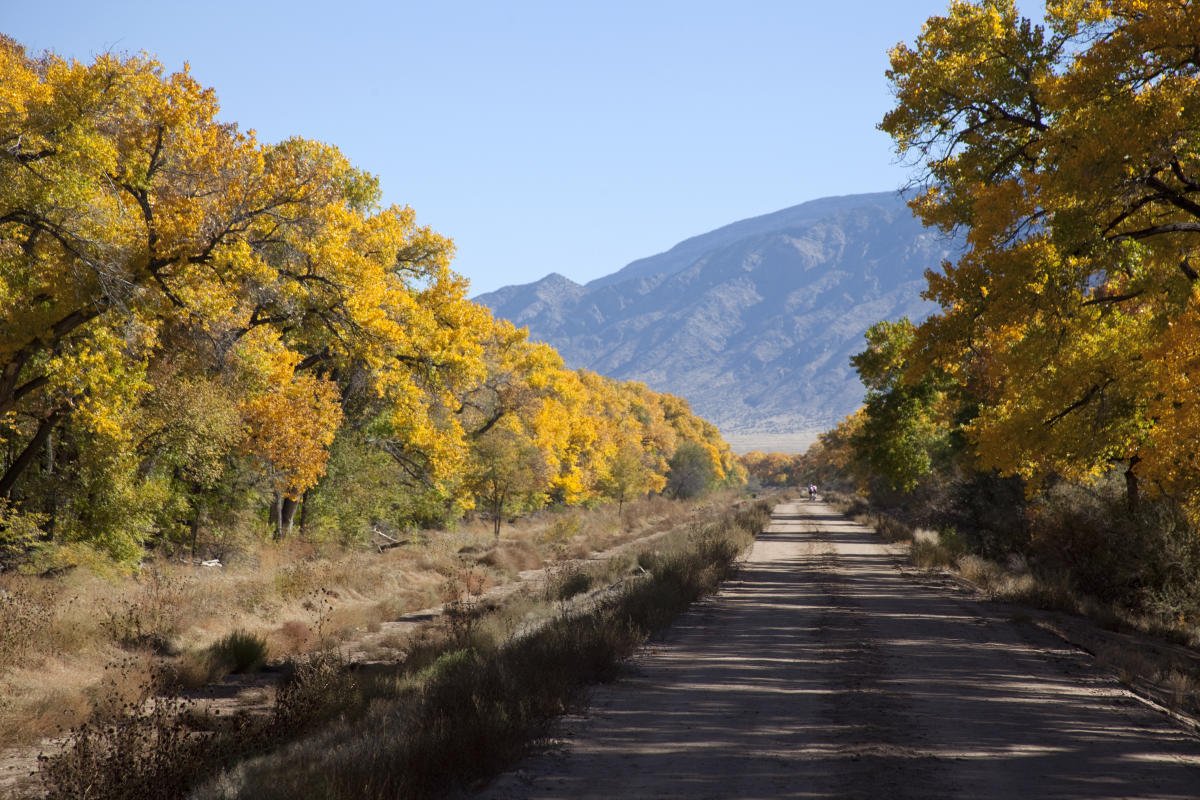
The village lies along the Rio Grande at an elevation of 5,036 feet, with the cottonwood bosque on its eastern edge, and it had a population of 8,493 at the 2020 census. People live here for the quiet, the open space and the ditches, and they expect a contractor to treat the setting with care. We do, and we keep site crews, delivery trucks and dust well within the lines of the property.
Owners are often individuals or small families, and projects tend to be small: a retail building, a medical or professional office, a workshop, a barn or agricultural support space, a restaurant or an addition to an existing business. We build all of them, and we explain the process in plain terms.
Acequias, ditches and the water around a site
Corrales has an extensive system of canals carrying Rio Grande water to fields and pasture, and its acequias are still maintained with help from the USDA Natural Resources Conservation Service and the Middle Rio Grande Conservancy District. A ditch is a working piece of infrastructure, and an owner who builds near one has responsibilities and constraints. Setbacks, easements, crossings and construction access can all be affected.
We identify the ditch and who maintains it before we draw a site plan. We coordinate with the ditch association on any crossing, protect the banks while we dig and plan timing so we do not interfere with irrigation season. The same care applies to the bosque edge, where we keep equipment and spoil away from sensitive ground.
Wells, septic and the code that governs them
Because newer homes can no longer install leach fields and much of the village is outside public sewer, a commercial project may need an engineered on-site wastewater system, a drilled well or both. These systems take space, time and approvals, and they often determine how large a building can be. We bring in an engineer and the proper licensed trades at the start of design.
The building itself is reviewed under the New Mexico Commercial Building Code, which adopts the 2021 International Building Code as amended and took effect July 14, 2023. Electrical work follows the 2020 New Mexico Electrical Code. We coordinate the building, mechanical, electrical and plumbing permits so inspections occur in the right order and the owner is not surprised by a missed step.
Site work first, building second
A Corrales job typically starts with a survey and a soils investigation, followed by clearing, grading, utility installation and the foundation. The valley soils can be sandy near the river and more variable elsewhere, and we plan footings accordingly. The site development and utilities trade partners handle trenching, well and septic coordination and driveways.
Then we build the structure. Many Corrales buildings have stucco finishes, flat or low-slope roofs with parapets, exposed beams and portals, and we are comfortable matching that character with stud framing, masonry or insulated forms. For owners who prefer steel for a workshop or a barn, we offer pre-engineered metal buildings finished to blend with the setting.
The roads that tie the village to the metro
NM 448 is a 13.01-mile state highway named Corrales Road in Corrales and Coors Road in Albuquerque. It meets NM 528 at Alameda Boulevard near its southern end and ends at NM 528, Pat D'Arco Highway, in Rio Rancho. Those corridors link the village to customers and suppliers in a wider market, and a commercial site on Corrales Road benefits from steady local traffic.
NM 528 begins at a diamond interchange with I-25 in Albuquerque, is signed as Alameda Boulevard there and as Pat D'Arco Highway in Rio Rancho, crosses the Rio Grande, and ends at US 550 on the northern edge of Rio Rancho. For owners in Corrales, that means Rio Rancho and Albuquerque are neighbors, and trade partners and suppliers can reach the village quickly from either.
Buildings that fit the village
The village scale favors small retail buildings, offices, restaurants, workshops, studios and agricultural structures. We build medical and wellness suites, boutique inns and event buildings where zoning allows. Each project is sized for its lot, its water supply and its neighbors, and we do not recommend more building than the site can support.
For property management clients and landowners who hold several parcels, we also handle tenant improvements and repairs across a portfolio. Consistent detailing from one building to the next reduces maintenance cost and keeps the village looking cohesive.
Where the money goes on a village lot
The largest line items are often not the building. A well, a septic system, a driveway, utility extensions and drainage can approach or exceed the cost of a small structure. We price them separately so the owner sees the whole picture and can decide what to scale down.
Finish level is the next driver. Stucco, timber details, custom windows and landscaping are all part of the Corrales character, and each adds cost. We use early preconstruction estimating to test options and show the trade-offs, so the owner chooses with real numbers in hand.
Plan your Corrales project with us
Tell us about the lot, the use and the timeline. We will help you understand the water, septic and approval questions and give you a realistic plan to build. Use the contact form to arrange a site walk.
Questions Owners Ask
Can I build a commercial building if there is no sewer?
Often yes, but it requires an engineered on-site system. The design depends on soil, lot size and the type and volume of use. We hire a qualified engineer early, secure the necessary approvals and set aside space on the lot so the building and the system fit together.
What do I do if a ditch crosses my property?
Contact the ditch association before designing. There may be easements, restrictions on structures and requirements for crossings. We locate the ditch, coordinate access, and protect it during construction so water delivery to neighbors is not interrupted.
How do I get a well drilled and permitted?
A licensed driller and the relevant state agency are involved, and the process takes time. We help owners sequence it with design and site work so the building is not waiting on water. For a small commercial building, we also design for water-saving fixtures and storage.
Will my building be required to match the local look?
Review requirements vary by zoning and property, but many owners choose stucco, portals and earth tones because they suit the setting. We build to the approved design and suggest details that look right while staying within budget.
How soon can we begin once we sign?
Site work can begin after permits and any required approvals. The wait for septic, well and building permits is the longest piece, so we start that process immediately. We give owners a calendar that shows each approval and each construction phase.